
Commercial Chocolate: What is it Really Made Of?
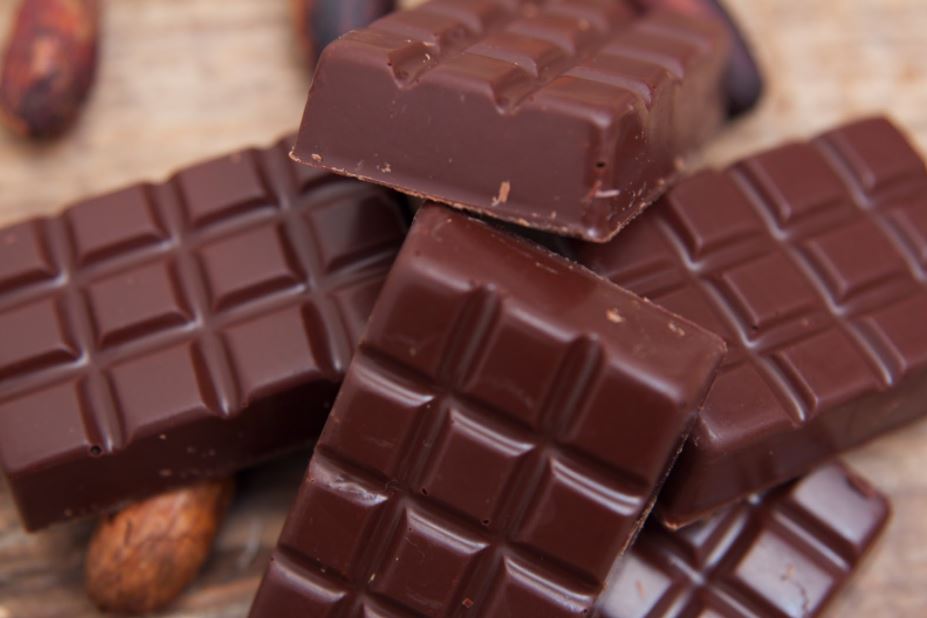
You probably grew up eating chocolate that you find in convenience stores and supermarkets. Characterized by its sweetness, this food product goes through various production processes. The industrial manufacturing process is quite different from the home-making procedure. There is a lot that happens through the chocolate making machine. There is a lot you should know about this food product to understand what you eat.
Where Does Chocolate Come From?
 You probably already know, it comes from cocoa beans. These are housed in a large pod, which grows in a tropical tree, the cocoa tree. Cocoa can be grown in a “belt” located around the globe 20 degrees away from the equator. So there are producers in the Caribbean and Central America, in Africa, as well as in the islands of the South Pacific.
Much like coffee, there are different varieties of cocoa, each with its characteristics. Once picked (there are two harvests per year), the pods are opened to extract the beans, which are left to ferment to develop all the aromas of the chocolate. The beans are laid out in the sun to dry to avoid any mold during transport.
As the shell of cocoa beans is crumbly, it can be crushed with the hands to reveal their content, the “nib,” small fragrant cocoa nibs with a very pronounced taste.
The Manufacturing Process
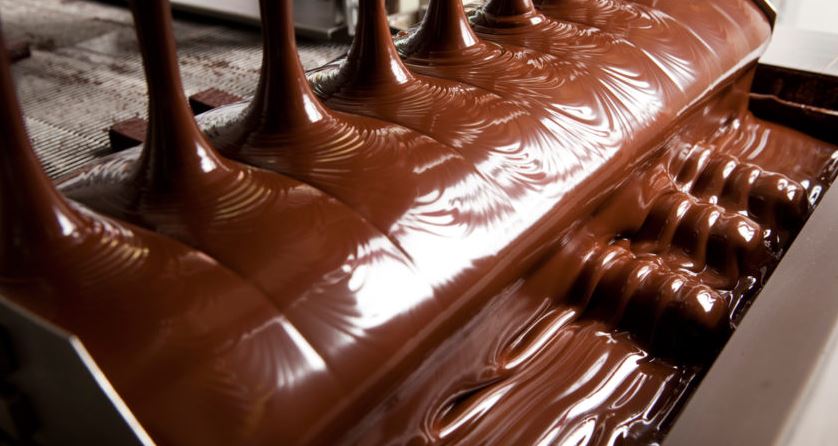 Like coffee, you must first roast the beans (whole, with their shell) in a roaster. Compared to coffee, cocoa is roasted at a lower temperature but a little longer. Then, vacuum machines allow the beans to be crushed to separate the crane from the shell; the latter, which is lighter, is sucked separately. The next step: the crane is passed through various sieves, which shake it and is usually mixed with sugar.
The cocoa mass is poured into large mixers which rotate, the friction of which allows the cocoa to heat just enough to become liquid and … turn into chocolate! This step can last several days, and it is during this time, you can add ingredients, usually cocoa butter, but also flavorings.
What to Look for in a Good Chocolate
An indication of the percentage of cocoa is already a good sign. There are dark chocolates with 85% cocoa (and sometimes even a little more), which are therefore unsweetened: the remaining 15% corresponds more to cocoa butter. Dark chocolate between 70% and 75% is considered the standard, with just a little sugar but also showing bitterness and the various subtle aromas of cocoa. This type of chocolate provides the most health benefits due to its high content of antioxidants.
Milk chocolate necessarily contains a lower percentage of cocoa since the dairy product, which softens the natural bitterness, becomes a major ingredient. However, the more cocoa there is, the more complex and pure the chocolate taste will remain. The minimum percentage varies depending on where the chocolate was made, by the way: only 10% in North America, 20% in Great Britain, and 25% in the rest of Europe.
White chocolate is not really chocolate since it does not contain cocoa. Only butter, sugar, and other additives. Its content is therefore 0%.…