
Why Ignoring Minor Window Damage Can Cost More Later
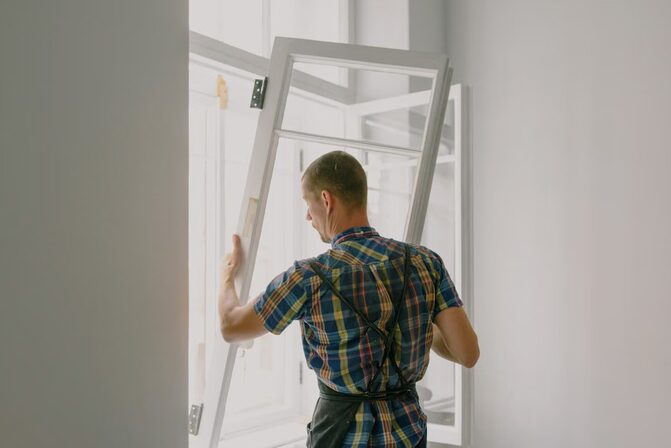
A small crack, damaged seal, or faulty window frame may seem like a minor issue, but delaying repairs can lead to much larger problems over time. As moisture, drafts, and structural wear gradually worsen, even a simple defect can affect energy efficiency, indoor comfort, and the condition of surrounding materials. Seeking home window repair in Ocala before the damage progresses can help address these issues early and reduce the likelihood of more extensive repairs later. Understanding how seemingly minor window problems develop over time highlights the importance of prompt maintenance and why early attention can protect both the home and its long-term performance.
How Small Cracks Can Become Larger Problems
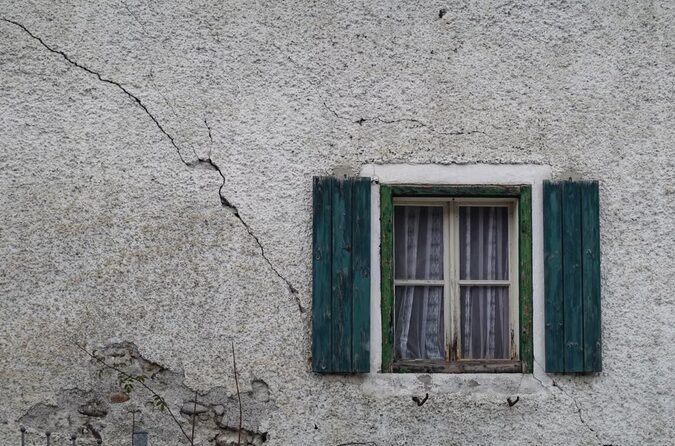
A minor crack in a pane of glass may remain stable for a period, but changes in temperature, wind pressure, and everyday movement within a building can place additional stress on the damaged area. Over time, the crack may spread across the glass, reducing its structural integrity and increasing the likelihood of breakage. What begins as a small imperfection can therefore develop into a situation requiring replacement of the entire pane rather than repair of a localized defect.
How Moisture Can Affect Surrounding Materials
Even minor window damage can allow water to penetrate surrounding building materials during periods of rain or high humidity. Moisture entering around damaged frames or compromised seals may gradually affect timber, plaster, insulation, or interior finishes. If these conditions continue for an extended period, the affected materials can deteriorate and require more extensive repairs than the original window issue. Preventing moisture intrusion is therefore an important part of maintaining the building’s long-term condition.
The Impact of Damaged Seals on Energy Efficiency
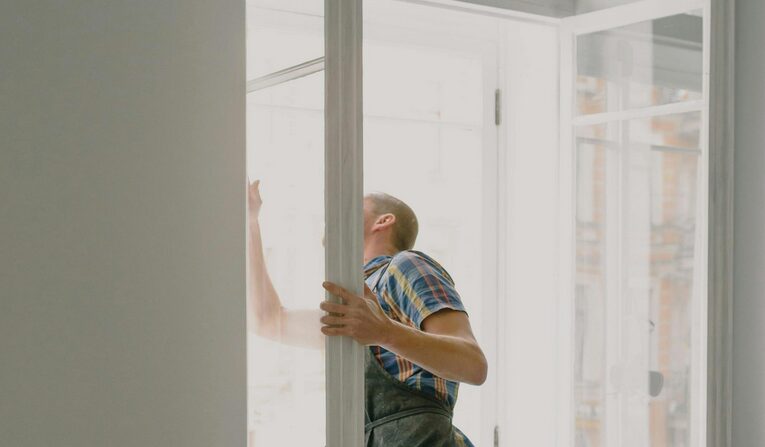
Window seals help prevent unwanted air movement and reduce heat transfer between the interior and exterior of a home. When seals begin to deteriorate, small gaps can allow drafts and moisture to enter. This can make indoor temperatures harder to regulate and increase demand on heating or cooling systems. As the seals continue to wear, the window’s overall performance may decline, leading to increased energy use and a less comfortable indoor environment.
Why Window Hardware Should Not Be Overlooked
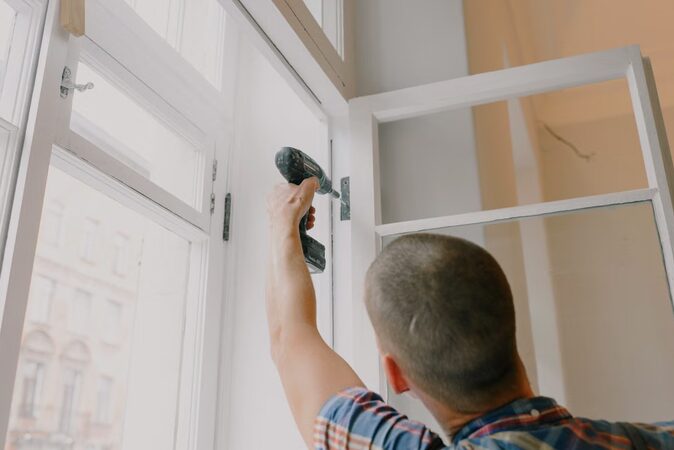
Windows rely on hinges, locks, handles, and sliding mechanisms to operate properly. Minor problems with these components can make windows more difficult to open, close, or secure. Continued use of damaged hardware may place additional strain on other parts of the window, increasing wear over time. Properly functioning hardware also contributes to weather resistance and security, making its condition an important part of overall window performance rather than simply a matter of convenience.
The Long-Term Cost of Delayed Repairs
Delaying repairs can allow several small issues to develop simultaneously. A damaged seal may contribute to moisture problems, while a small crack may continue to expand and worn hardware may become more difficult to repair. As these conditions combine, the scope and cost of the required work can increase significantly. Addressing problems when they are first identified often limits the extent of damage and helps preserve the performance and lifespan of the window system.
Ignoring minor window damage can cost more later, as small defects often worsen with continued exposure to weather, temperature changes, and everyday use. Cracks may spread, seals can lose effectiveness, moisture can damage surrounding materials, and worn hardware may place additional strain on the window. While these issues may appear minor individually, they can combine to create more extensive repair requirements over time. Maintaining windows in good condition helps protect the building, improve energy performance, and reduce the likelihood of larger and more costly problems in the future.…
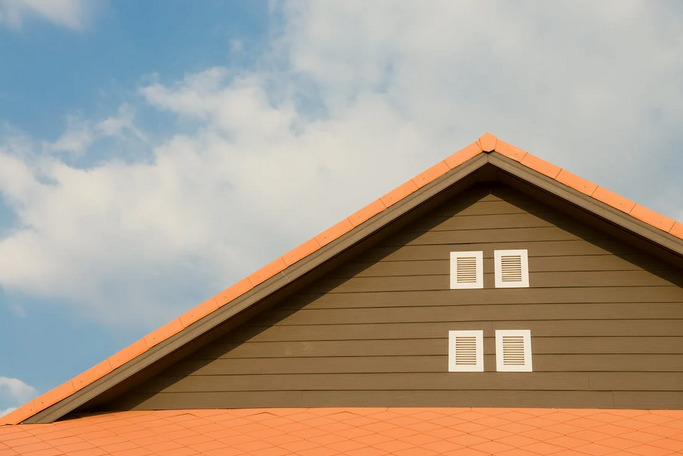
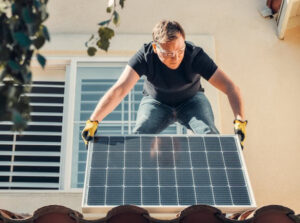 Finally, a new roof provides an ideal opportunity to integrate solar panels into your home’s energy system. Solar panels harness the power of the sun to generate renewable electricity, significantly reducing your dependence on the grid and lowering your energy bills. By investing in a new roof and incorporating solar panels during the installation process, you can maximize your home’s energy efficiency and potentially even generate excess energy that can be sold back to the grid.