Signs Your Home Needs Foundation Repair: How to Spot the Red Flags
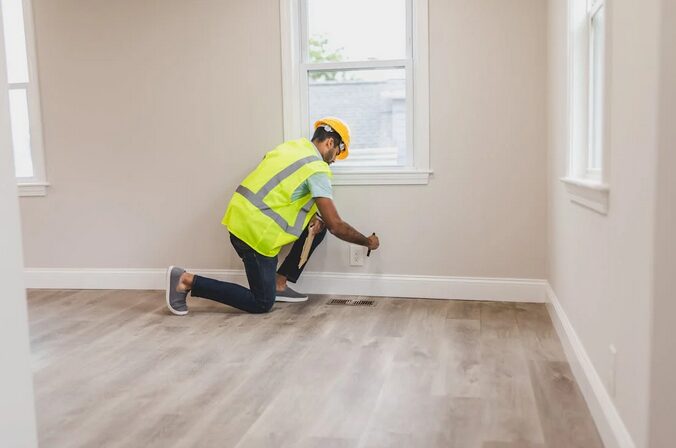
Your home is your sanctuary, where you feel safe and secure. But what happens when that foundation—the very core of your house—starts to show signs of distress? Ignoring these warning signals can lead to costly repairs down the line. Spotting early indicators of foundation issues can save you both time and money. Let’s dive into some red flags that may indicate it’s time for a closer inspection of your home’s foundation before more significant problems arise.
Cracks in Walls and Floors
Cracks in walls and floors are often the first sign of foundation trouble. You might notice hairline fractures or wider gaps appearing over time. These cracks can manifest in various places, from living room walls to bathroom tiles. Pay close attention to their size and location. Small, cosmetic cracks may not be a cause for concern. However, larger fissures should raise alarms, especially those that grow over time.
Diagonal cracks that stretch across corners are particularly worrisome. They could indicate shifting soil beneath your home or an unstable foundation. If you spot these signs, it’s best to act promptly. Consulting with a professional can help assess the severity of the problem and guide you on necessary repairs before more damage occurs.
Uneven or Sloping Floors
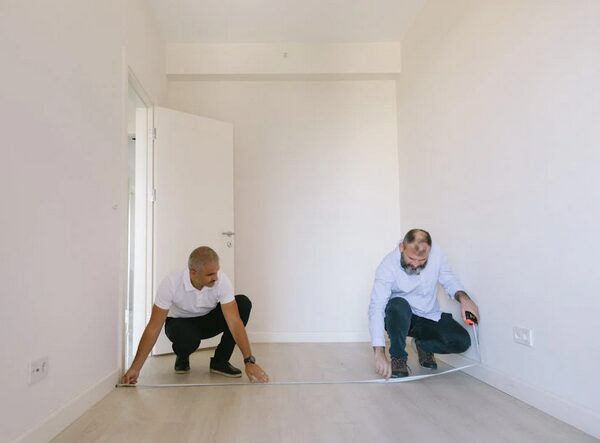
Uneven or sloping floors can be a significant indication of foundation issues in your home. When you notice that one side of the room feels higher than the other, it’s time to take action. These floor irregularities often develop gradually. You might initially think they’re just an inconvenience, but ignoring them could lead to more serious problems later.
Walk through your home and pay attention to how level each room feels. Those are warning signs if you roll marbles across the floor or if furniture seems to tilt unnaturally. Sometimes, these uneven surfaces can also create gaps between walls and baseboards. This is unsightly and can affect your home’s structural integrity over time.
Cracks in Walls and Floors
Cracks in walls and floors can be a homeowner’s worst nightmare. They often signal underlying issues that shouldn’t be ignored. Small hairline fractures may seem harmless, but even these can indicate movement beneath the surface. As your home settles over time, uneven weight distribution can stress the structure.
Wider cracks pose an even greater concern. If not addressed promptly, these gaps might expand over time, leading to more significant damage. Pay attention to the location of these cracks as well. Vertical or diagonal fissures near windows and doors can suggest foundation problems rather than regular wear and tear.
Doors and Windows Sticking or Misaligned
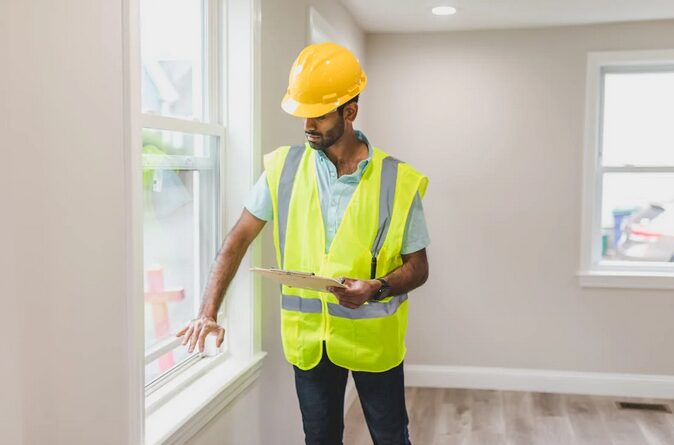
Sticking doors and misaligned windows can be more than just an annoyance. They often signal deeper issues lurking beneath the surface. When your doors refuse to budge or your windows won’t close properly, it may indicate that the foundation is shifting. As the ground settles or moves around, door frames and window casings can warp out of shape.
Pay attention to how easily you can open and close these features. If they require a firm push or seem crooked in their frames, it’s time to investigate further. Don’t ignore this red flag. Addressing potential foundation problems early can save you from costly repairs. Regular maintenance and prompt action are key in preserving your home’s integrity.
Gaps Between Walls and Ceiling or Floor
Gaps between walls and the ceiling or floor can be a subtle yet alarming sign of foundation issues. These spaces often appear where there shouldn’t be any, causing an unsettling aesthetic in your home. If you notice these gaps widening over time, it may indicate that your home’s structure is shifting. Such movement could stem from soil erosion, water damage, or other underlying problems affecting the foundation’s stability.
Pay close attention to corners and joints. If they seem pronounced compared to other areas of your house, it’s worth investigating further. Ignoring this red flag might lead to more serious consequences …