
Different Types of Substrates for Your Aquarium
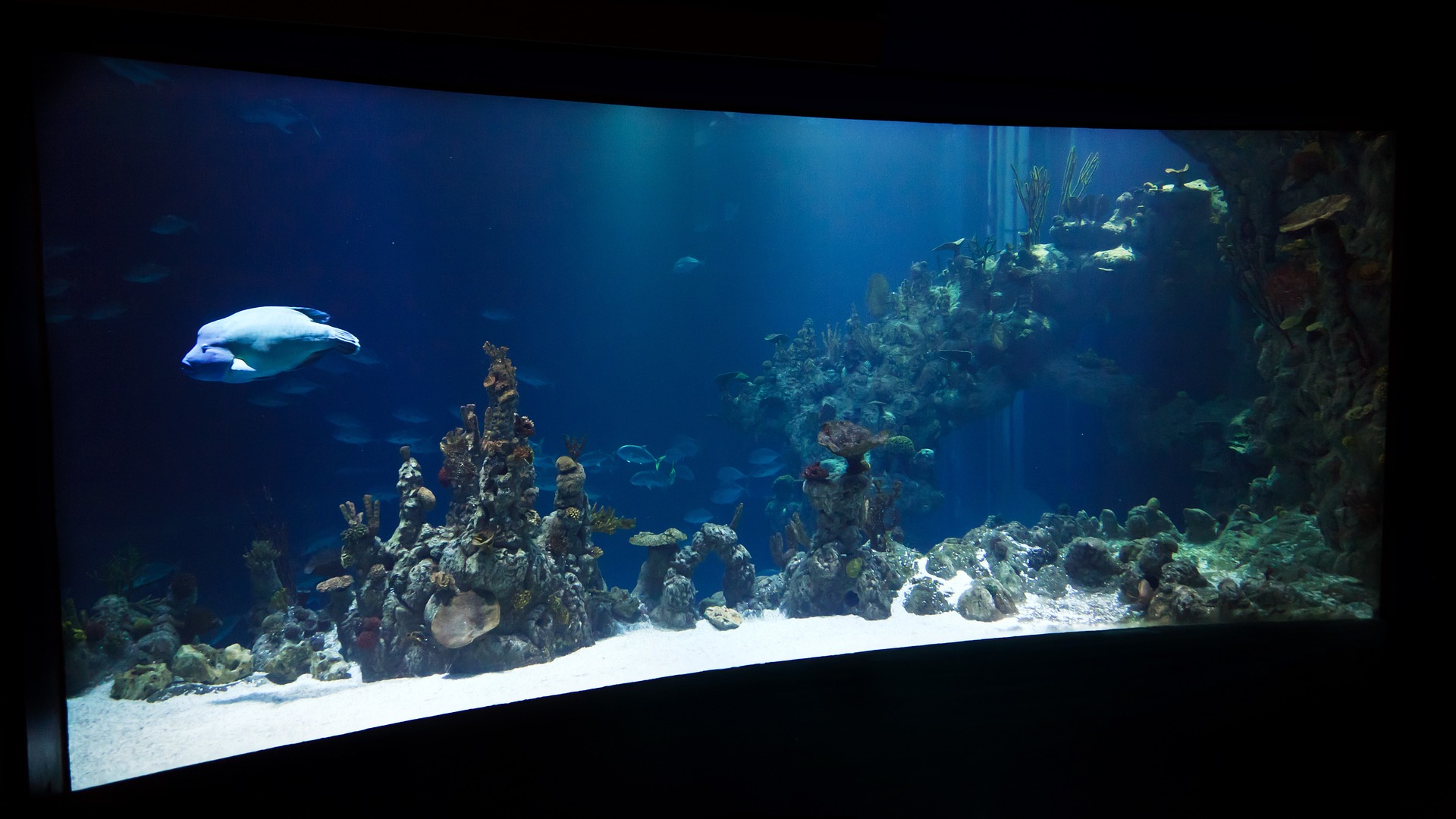
Welcome to our aquarium enthusiasts’ corner. If you’re a fan of aquatic life and want to create a thriving underwater ecosystem in your home, you’ve come to the right place. One key element for any successful aquarium setup is choosing the right substrate – the material that lines the bottom of your tank. According to Dr. Victoria Braithwaite, in aquaculture, the substrates used play a critical role as they provide the necessary surface area for nitrifying bacteria to colonize and convert harmful ammonia into less toxic forms.
The choice of substrate greatly impacts the overall efficiency of the system. If you are currently having problems with your aquarium fish, you should research on how you can solve it. Explore Proven Aquarium Fish Solutions with Underwater Photo Ring. Here, we’ll explore different types of substrates and help you decide which one will be best for your beloved fishy friends.
Gravel
 Gravel is one of the most popular choices for aquarium substrates. It’s versatile, aesthetically pleasing, and provides a stable base for aquatic plants and decorations. One of the great things about gravel is that it comes in various sizes, colors, and textures, allowing you to customize your tank according to your preferences or the specific theme you’re going for. Whether you want a natural-looking riverbed with earthy tones or a vibrant underwater landscape with bright hues, there’s gravel out there to suit every style. In addition to its aesthetic appeal, gravel also serves a practical purpose in the aquarium ecosystem. The gaps between the individual grains allow water to circulate freely through them.
Crushed Coral
When selecting the right substrate for your aquarium, there are several options to choose from. One popular choice is crushed coral. This type of substrate offers a unique set of benefits for both freshwater and saltwater aquariums. Crushed coral is composed of small pieces of coral broken down into gravel-like particles. It provides a natural look to your tank and can create a beautiful bed for your aquatic plants or marine animals. One advantage of using crushed coral as a substrate is its ability to help maintain stable pH levels in your aquarium. The calcium carbonate found in the crushed coral acts as a buffer, which helps prevent drastic fluctuations in pH.
Sand
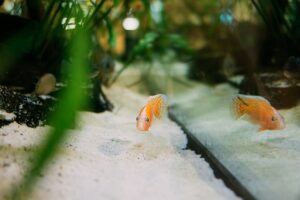 Sand is a popular substrate choice for aquariums due to its natural look and the various benefits it offers. With its fine texture, sand provides a smooth and soft surface for bottom-dwelling fish species like corydoras or loaches. These delicate fish thrive in an environment where they can easily sift through the substrate without injuring themselves. Furthermore, sand allows for better water circulation within the tank as it doesn’t compact easily. This prevents pockets of stagnant water from forming and helps maintain optimal oxygen levels throughout the aquarium. Another advantage of using sand as a substrate is that it creates a more natural appearance, resembling the sandy bottoms of rivers or beaches found in many aquatic habitats.
Aquasoil
Aquasoil is a popular substrate choice among aquarists due to its unique properties and benefits. Made from volcanic ash, Aquasoil has a porous structure that allows for excellent water circulation and root penetration. This helps in creating a healthy environment for aquatic plants to thrive. One of the key advantages of Aquasoil is its ability to buffer the pH level of the water. As stated by Oliver Knott, aqua soil is a fantastic substrate choice for planted tanks due to its ability to gradually buffer pH levels and release essential nutrients. It provides a natural environment for aquatic plants to flourish.
Choosing the appropriate substrate will greatly impact your fish’s health and the overall presentation of your aquarium setup! So take some time to research the options available to make an informed decision that best suits your needs! Happy aquascaping.…